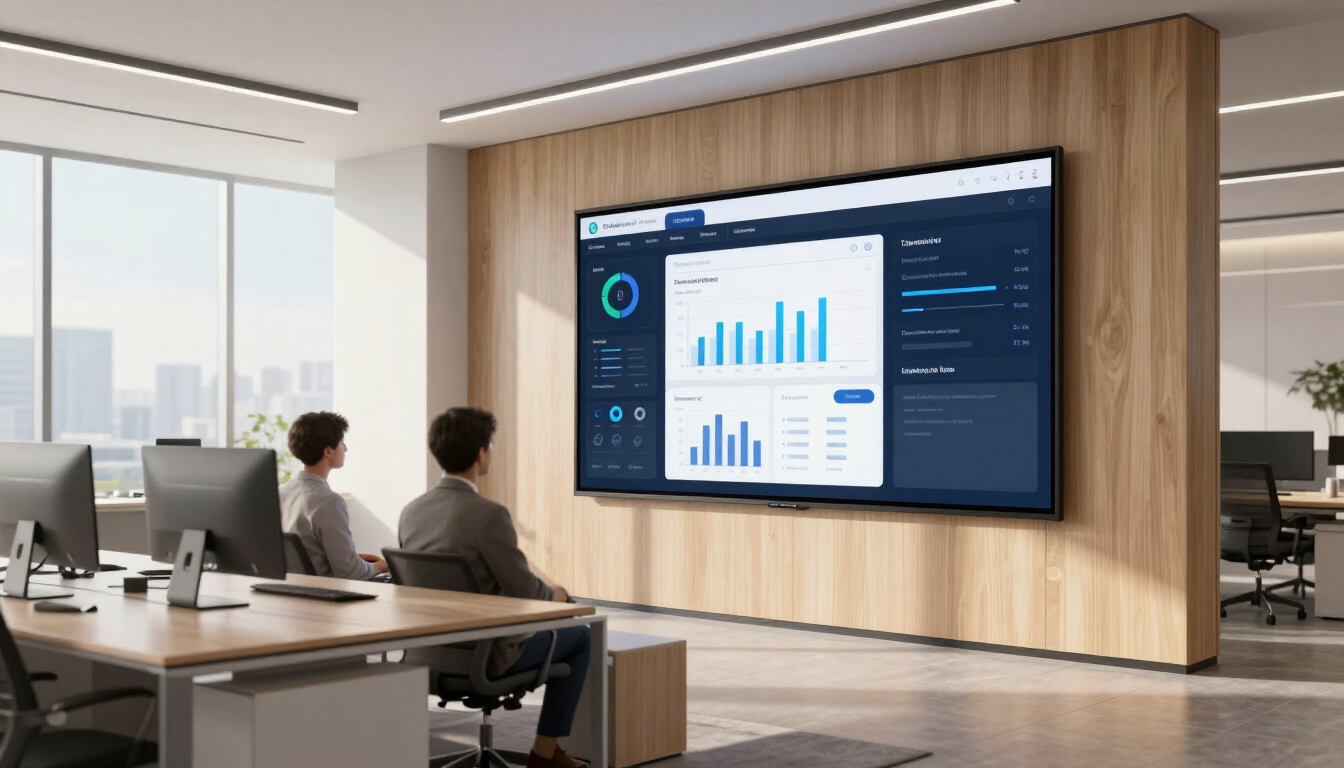




How to Choose the Right Software Architecture for Success
Bespoke digital architecture is the foundational framework that aligns your digital tools with your specific operational workflows. Instead of adding disconnected apps, a cohesive architecture ensures all systems communicate effectively, reducing technical debt and maximizing efficiency through custom-engineered solutions rather than generic, restrictive Software-as-a-Service (SaaS) limitations.
Why is your current software stack failing to scale?
Many organizations fall into the trap of believing that more software equals more productivity. In reality, the proliferation of specialized SaaS tools often leads to a fragmented ecosystem where data sits in silos and manual intervention is required to move information between platforms. When you add a new piece of software to solve a specific problem without considering the underlying architecture, you aren't just adding a feature; you are adding complexity and potential points of failure.
This phenomenon, known as "SaaS sprawl," creates a significant drain on resources. Staff members find themselves toggling between a dozen different tabs, each with its own login, user interface, and data format. This lack of cohesion results in a "digital friction" that slows down decision-making and increases the likelihood of human error. As your business grows, these small inefficiencies compound, eventually becoming a ceiling that prevents further expansion. True scalability does not come from having an app for every task; it comes from having a unified digital structure that supports every task natively.
What defines a high-performing bespoke digital architecture?
A high-performing architecture is one where technology is built around the business, not the other way around. Unlike off-the-shelf software that forces you to adapt your proven internal processes to fit their pre-defined workflows, a bespoke system is engineered to mirror your operations exactly. It functions as a digital twin of your organizational logic, ensuring that every automation and data flow feels intuitive to your team.
Key characteristics of a robust architecture include:
- Seamless Data Flow: Information moves automatically between modules without manual export/import.
- Unified User Experience: A single interface reduces training time and cognitive load for employees.
- Scalability by Design: The system is built to handle increased volume without performance degradation.
- Modular Flexibility: New features can be added or adjusted without breaking existing functionality.
- Security Integration: Protection is baked into the core, rather than being an afterthought or a plugin.
When these elements are present, the technology becomes an invisible enabler rather than a visible obstacle. At Peach Loves, we prioritize this structural integrity because we know that a flashy interface is useless if the engine underneath cannot sustain the weight of your company's ambitions.
Identifying the hidden costs of technical debt
Technical debt is the metaphorical interest you pay when you choose a quick, easy software fix over a well-engineered, long-term solution. In the short term, buying a subscription to a generic platform seems cost-effective. However, over two to three years, the cost of "workarounds" begins to skyrocket. You might pay developers to build custom bridges between two incompatible apps, or you might pay your operations team to spend hours every week reconciling data that should have been unified from the start.
These hidden costs are often excluded from IT budget discussions but are felt deeply in the profit and loss statement. Technical debt also stifles innovation. When your systems are a tangled web of legacy code and mismatched third-party integrations, the risk of changing anything becomes too high. Businesses often find themselves "locked in" to outdated software simply because the cost of untangling the mess is too daunting. By investing in the right architecture early, you eliminate these friction points and ensure that your capital is spent on growth, not on maintaining a crumbling digital foundation.
How can AI integration transform your current systems?
Artificial Intelligence is no longer a luxury; it is a critical component of modern software architecture. However, AI is only as effective as the data it can access. In a fragmented software environment, AI models are hampered by incomplete information. In a bespoke digital architecture, AI can be integrated directly into the core workflows, allowing for real-time analysis and automated decision-making that generic tools cannot match.
For example, an AI layer within a custom ERP (Enterprise Resource Planning) system can predict inventory shortages before they happen or identify subtle patterns in customer behavior that suggest a shift in market demand. Because the architecture was designed with AI in mind, these insights aren't just displayed on a dashboard; they trigger automated actions. This level of digital transformation allows your team to shift from reactive tasks to strategic high-value work, fundamentally changing the competitive landscape of your industry.
The Peach Loves approach to engineering excellence
Our philosophy is simple: we build technology around your business, not the other way around. This requires a deep understanding of your operational DNA before a single line of code is written. Engineering excellence isn't just about writing clean code; it's about asking the right questions. We look at how your departments interact, where the bottlenecks occur, and where your unique competitive advantages lie. By mapping these out, we can design a system that amplifies your strengths while automating your weaknesses.
This bespoke approach is particularly vital for organizations in South Africa looking to modernize. The local market presents unique challenges and opportunities that global, generic software often overlooks. Whether it’s integrating with specific local payment gateways or navigating unique regulatory requirements, a custom-engineered system provides a level of compliance and relevance that mass-market software simply cannot provide. We don't just deliver a product; we deliver a long-term strategic asset that evolves alongside your company.
Is it time to transition from SaaS to bespoke systems?
Deciding when to move away from third-party software toward a custom-built architecture is a pivotal moment for any growing organization. The transition is usually triggered by a realization that your current tools are limiting your potential. If you find your team saying, "We can't do that because the software doesn't allow it," you have reached the limits of generic technology. The transition doesn't have to happen overnight, but it does require a strategic roadmap.
Indicators that you need to evaluate your architecture include:
- Your subscription costs for various tools are exceeding the cost of custom development.
- You are employing staff primarily to manage data entry between different platforms.
- You have unique business processes that no existing software can handle natively.
- You are concerned about data privacy and want full ownership of your digital assets.
- You need to integrate advanced AI capabilities that your current tools don't support.
If these points resonate, it is time to contact a team that understands the intersection of business logic and software engineering. Moving to a bespoke architecture is an investment in your company’s future autonomy.
Future-proofing through modular software design
The only constant in business is change. A rigid software system is a liability in a shifting market. Modern bespoke architecture utilizes modular design, which allows individual components to be updated, replaced, or expanded without affecting the rest of the system. This "Lego-block" approach to engineering means that as your business pivots—perhaps moving into a new service area or adopting a new business model—your technology can pivot with you. This agility is the ultimate competitive advantage, ensuring that your digital infrastructure remains an asset for decades rather than a legacy burden that needs to be replaced every few years.
Summary and Strategic Takeaways
Your business doesn't need another subscription; it needs a foundation that supports sustainable growth. By shifting focus from individual software tools to a holistic bespoke architecture, you eliminate technical debt, unify your operations, and unlock the full potential of AI. Modern digital systems should be built to fit your brand and ambitions perfectly, removing the limitations imposed by generic platforms.
Key Takeaways:
- Prioritize Architecture: Invest in the framework before the features to ensure long-term scalability.
- Eliminate Silos: Use bespoke systems to create a unified data environment that powers AI and automation.
- Own Your Logic: Stop adapting your business to fit software; build software that fits your business.
- Audit for Friction: Identify where manual data movement is slowing down your team and replace it with integrated solutions.
- Plan for Evolution: Choose modular designs that can adapt to future market changes without full-system overhauls.