


Scale Telecoms Sales with Custom Software: A Case Study

24 August 2026

Share this article

A telecoms company scales sales operations by implementing custom software that automates lead management, integrates disparate billing systems, and provides real-time data visibility. Unlike off-the-shelf platforms, bespoke solutions adapt to specific workflows, eliminating manual bottlenecks and allowing teams to process high volumes of transactions with increased accuracy and speed.

Why is custom software essential for telecoms sales scaling?

In the competitive landscape of South African telecommunications, the ability to scale sales operations rapidly is not just an advantage—it is a necessity for survival. As organisations grow, the complexity of managing thousands of customer interactions, diverse product bundles, and intricate hardware logistics becomes overwhelming for standard systems. The primary reason custom software is essential is its ability to mirror the unique operational logic of a business. When a company reaches a certain threshold of volume, generic solutions often become friction points rather than facilitators.

Peach Loves understands that bespoke digital systems must be engineered around the business, not the other way around. In our recent collaboration with a mid-tier telecoms provider, we observed that their existing infrastructure was buckling under the weight of manual data entry and fragmented communication channels. By designing a custom sales engine, we were able to provide a unified platform that scaled horizontally as their user base expanded. This meant that whether the sales team handled 100 or 10,000 leads a day, the system response time and data integrity remained constant. Custom software allows for specific modules—such as automated credit vetting or territory management—that are rarely handled well by “one-size-fits-all” CRM platforms.

Furthermore, scaling in telecoms often involves navigating complex regulatory environments and internal compliance hurdles. A bespoke system allows for the hard-coding of these rules into the sales workflow, ensuring that every transaction is compliant by design. This reduces the risk of human error and the need for extensive manual audits, both of which are significant barriers to scaling. To explore how we approach these complex architectures, visit our Ecosytem page for a deeper look at our technological philosophy.

Team in a modern office reviewing colorful charts on a large presentation screen

The Limitations of Generic Sales Platforms

Many telecoms organisations begin their journey using popular, off-the-shelf Customer Relationship Management (CRM) tools. While these platforms are excellent for generic lead tracking, they frequently fail when faced with the hyper-specific requirements of the telecoms sector. Generic platforms force you to adapt your processes to fit their limitations. In our experience, this adaptation process leads to “workarounds”—manual spreadsheets and external databases that exist outside the main system. These workarounds are the enemies of scale, creating data silos that prevent a clear view of performance.

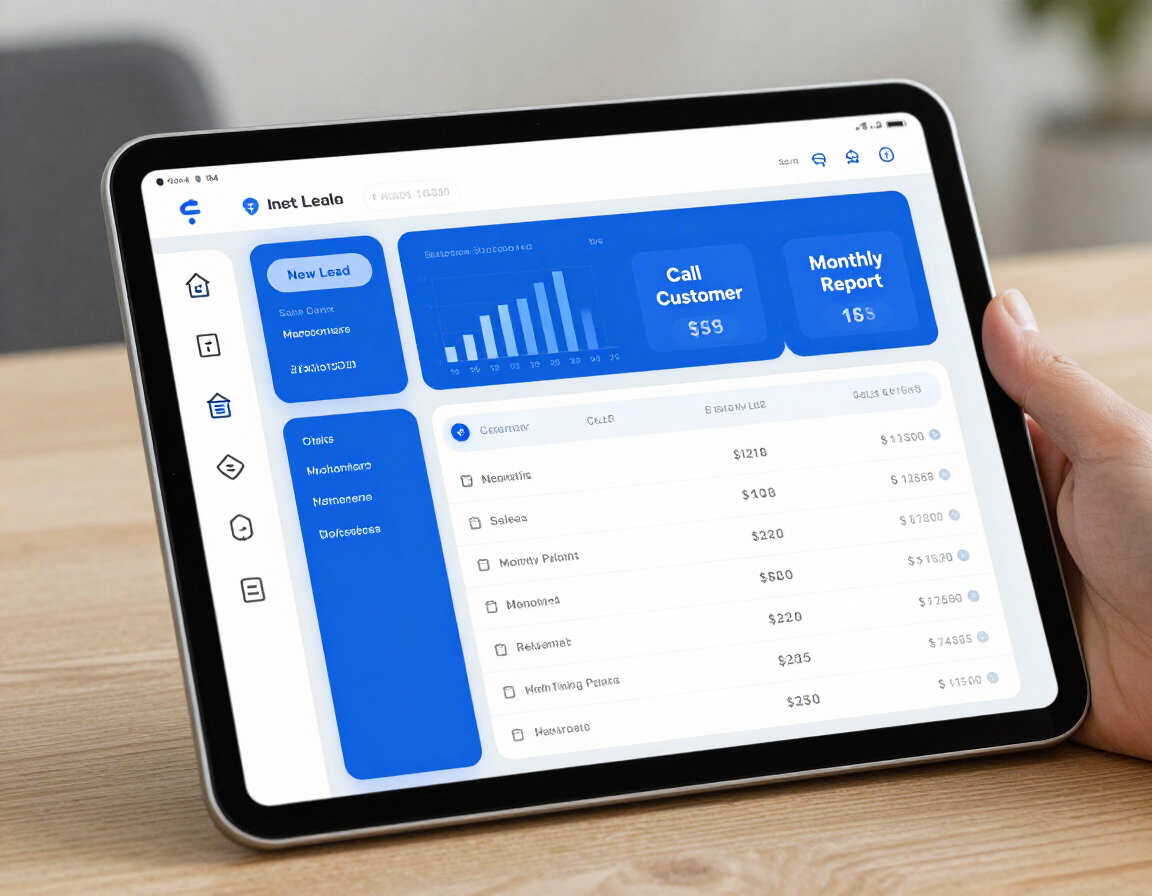
One of the most significant limitations is the lack of deep integration with legacy billing and network provisioning systems. A sales representative in a telecoms firm needs to know instantly if a customer is eligible for an upgrade, if their local infrastructure supports a specific fibre speed, and if they have outstanding balances. Generic software requires multiple tabs and manual cross-referencing. In contrast, custom software integrates these data points into a single, cohesive interface. This enables a “single pane of glass” view, which dramatically reduces the average handle time for sales calls.

Another limitation is the cost structure. As you scale, per-user licensing fees for premium off-the-shelf software can become a massive operational expense. Custom software represents a capital investment that results in a lower total cost of ownership over time, as there are no escalating monthly fees tied to the number of users. This fiscal predictability is vital for organisations looking to reinvest their profits into further market expansion. If you are interested in moving away from restrictive licensing, you might consider how to Become a Partner with us to build something truly yours.

How does bespoke technology eliminate manual bottlenecks?

Manual bottlenecks are the primary reason sales teams fail to hit their targets during high-growth periods. In our case study, the telecoms provider was losing approximately 15% of their potential revenue due to lead leakage—leads that were simply lost in the manual transition between marketing and sales. Bespoke technology eliminates these bottlenecks through intelligent automation. We implemented an AI-driven lead routing system that instantly assigns leads to the most appropriate agent based on expertise, language, and current workload.

Key areas where custom software removes friction include:

  • Automated Document Verification: Using OCR technology to verify IDs and proof of residence instantly.
  • Real-Time Credit Integration: Direct APIs to credit bureaus to provide instant approvals or rejections.
  • Dynamic Contract Generation: Creating personalised digital contracts that can be signed via mobile device.
  • Workflow Triggering: Automatically notifying the technical team for installation the moment a sale is closed.

By automating these repetitive tasks, the sales agents were freed to focus on what they do best: building relationships and closing deals. The psychological impact on the team was also noteworthy. When technology works for the employee, morale increases, and turnover rates decrease. The software became an enabler of success rather than a hurdle to be cleared. The result was a smoother, faster sales cycle that could handle surges in demand—such as during major promotional events—without requiring a linear increase in headcount.

Tablet showing a blue analytics dashboard with charts and a data table on a desk

Integration and the Peach Loves Ecosystem

At Peach Loves, we believe that software should not exist in a vacuum. A truly scalable sales operation is part of a larger digital ecosystem where information flows seamlessly between sales, operations, finance, and customer support. When we engineer custom software, we focus heavily on the API layer, ensuring that the new sales engine communicates flawlessly with existing ERP and billing systems. This holistic approach ensures that a sale made today doesn't become a billing nightmare tomorrow.

Digital transformation is not about replacing every single piece of technology you own; it is about building the connective tissue that makes your current assets more valuable. For the telecoms provider in this study, we created a custom middleware layer that synchronised data across three different legacy platforms. This ensured that the customer experience was consistent regardless of which department they interacted with. Such a level of integration is difficult to achieve with standard plugins, requiring a deep understanding of software engineering and systems architecture.

This interconnectedness also enables better data analytics. When your sales data is clean and integrated, you can use machine learning models to predict customer churn and identify cross-selling opportunities. We helped our client move from reactive reporting to proactive strategy. They could now see, in real-time, which marketing campaigns were driving the most profitable sales, allowing them to adjust their spend hourly if necessary. For more insights into how we transform organisations, check out our Home page or read more stories on our Blog .

What metrics define a successful telecoms digital transformation?

Measuring the success of custom software implementation requires looking beyond just the initial development costs. In our case study, we focused on several Key Performance Indicators (KPIs) that directly impacted the bottom line. The most immediate improvement was the Lead-to-Order conversion rate, which saw a 40% increase within the first six months. This was primarily attributed to the reduction in response time and the elimination of manual data entry errors that previously caused orders to fail at the provisioning stage.

Other critical metrics included:

  • Customer Acquisition Cost (CAC): Reduced by 25% due to higher efficiency and better lead targeting.
  • Average Handle Time (AHT): Decreased by 12 minutes per sale, allowing agents to handle more volume.
  • Churn Rate: Improved by 10% because customers received more accurate information during the sale.
  • System Uptime: Achieved 99.99% availability, ensuring sales could be made 24/7 without interruption.

These metrics prove that bespoke technology is a revenue generator, not a cost center. By investing in custom software, the telecoms company was able to outpace its competitors, who were still struggling with the limitations of their generic systems. The ability to pivot quickly—launching a new product bundle in days rather than months—gave them a strategic agility that is priceless in the modern market. Successful transformation is defined by this agility and the ability to scale without compromising on quality or compliance.

Conclusion: The Path to Sustainable Growth

Scaling a telecoms sales operation requires a fundamental shift in how technology is viewed. Rather than settling for software that forces your team into rigid boxes, organisations should seek bespoke digital systems that are built around their unique operations and brand ambitions. As shown in this case study, custom software is the key to unlocking hidden efficiencies, eliminating manual bottlenecks, and providing the data-driven insights necessary for sustained growth. By focusing on integration, automation, and user experience, Peach Loves helps businesses build the technology they need to lead their industry.

Key Takeaways for Scaling Sales

  • Embrace Bespoke Solutions: Move away from generic platforms that limit your operational flexibility and growth.
  • Prioritise Integration: Ensure your sales tools communicate perfectly with legacy billing and provisioning systems.
  • Automate Manual Tasks: Use AI and workflow triggers to eliminate lead leakage and human error in the sales cycle.
  • Focus on Real-Time Data: Implement systems that provide instant visibility into sales performance and customer health.

If your organisation is ready to transform its sales operations and build technology that truly fits your business, Contact us today to start the conversation.

Recent Posts

Modern office desk with monitor displaying a blue CAD floor plan, keyboard, and mouse
24 August 2026
Learn why bespoke digital architecture beats software sprawl. Discover how custom software and AI transform operations for South African businesses through strategic engineering.

Abstract glowing AI brain connected to a laptop screen with digital data streams on a dark background
24 August 2026
Learn the difference between AI Engineering vs AI Integration. Discover which strategy fits your business goals, budget, and digital transformation timeline.

Four coworkers in a modern office meeting around a table with laptops and a whiteboard.
24 August 2026
Explore the behind-the-scenes journey of bespoke digital system delivery at Peach Loves. Learn how we engineer custom software and AI that transforms operations.

Person working at a desk with dual monitors showing diagrams in a bright office
24 August 2026
Discover why UX design is more than just visuals. Learn how bespoke user experience design transforms customer loyalty and operational efficiency for South African businesses.

Blue and silver network hub icon with radiating lines on a light background
24 August 2026
Discover why a digital growth partner is essential for scaling through custom software, AI, and bespoke technology tailored to your business.

Interlocking silver gears over a glowing blue circuit board, symbolizing technology and automation
24 August 2026
Learn the true costs of software silos and how professional system integration saves time, reduces errors, and boosts ROI for modern businesses.

Modern office desk with three blue data screens, keyboard, mouse, and black chair
24 August 2026
Discover why off-the-shelf CRMs often hinder growth and how a custom CRM system tailored to your business operations can drive efficiency and scalability.

Open office with people working at desks, large glass wall, and blue digital interface graphics overlay.
24 August 2026
Discover what Agentic AI is and how forward-thinking businesses use autonomous agents to automate complex operations and scale efficiency in 2026.
Modern office with people viewing a large wall display of blue analytics charts
24 August 2026
Compare off-the-shelf vs. bespoke software to find the best fit for your business. Learn when to switch to custom solutions for better ROI and scale in 2026.